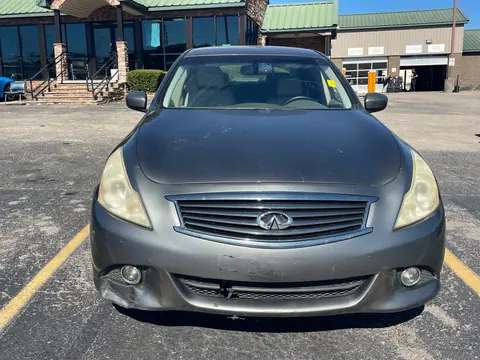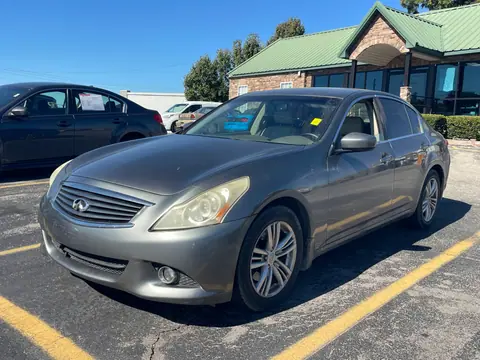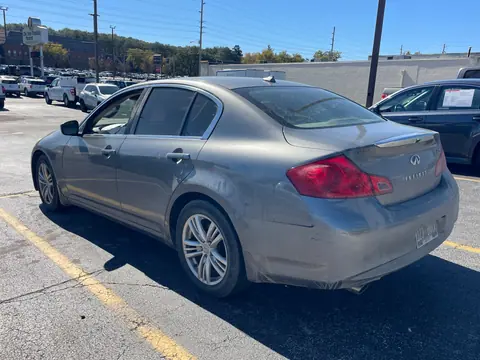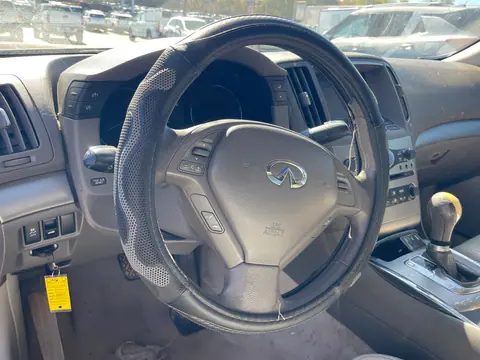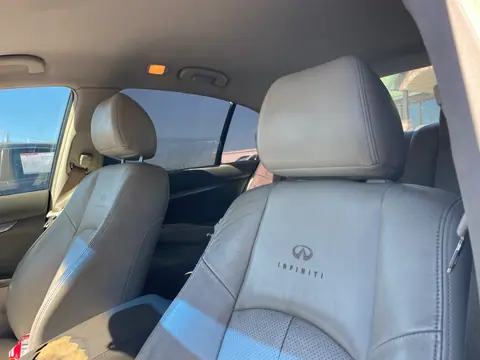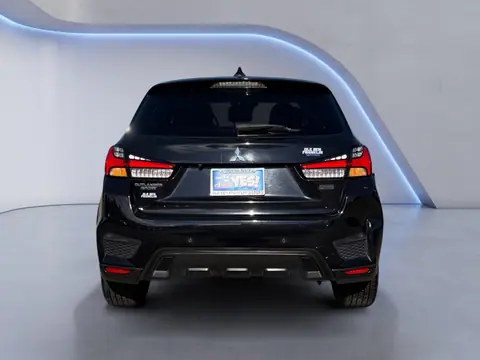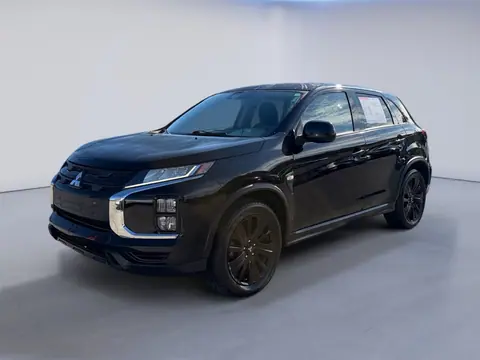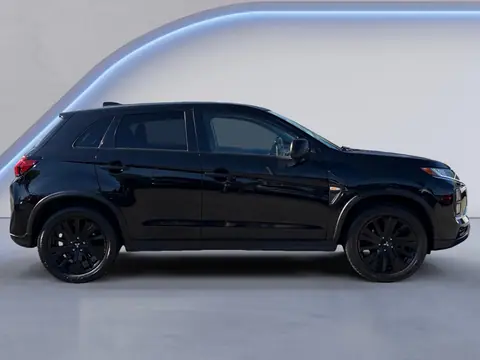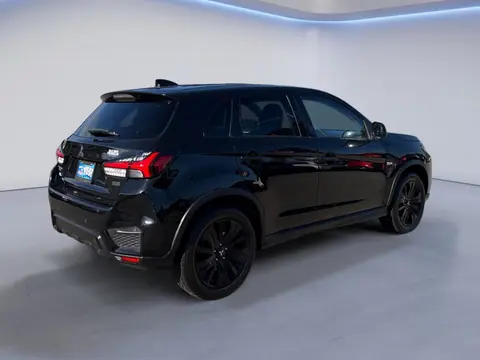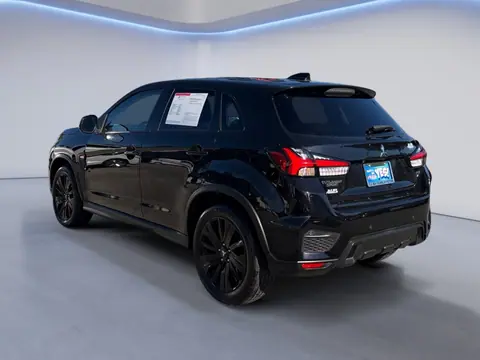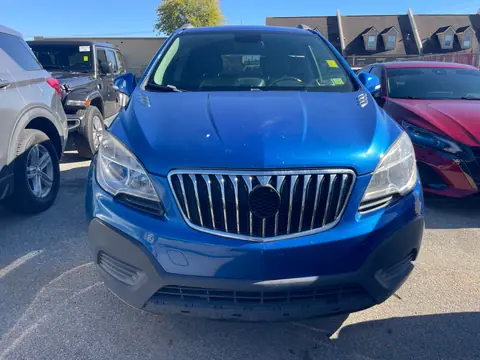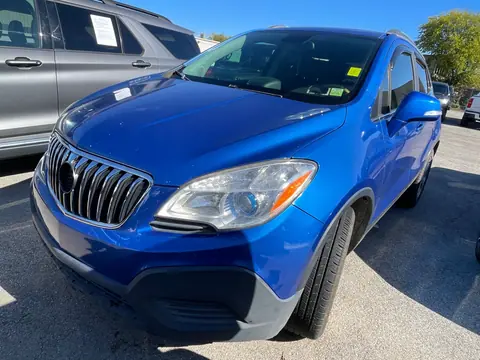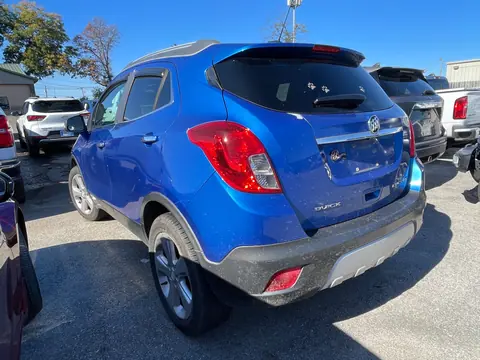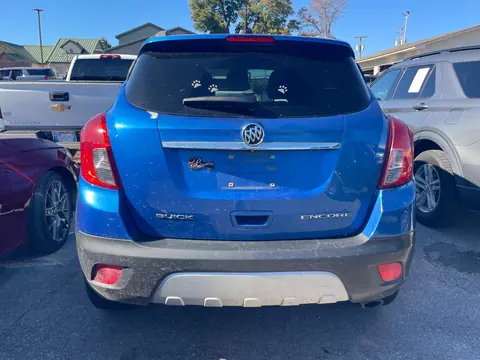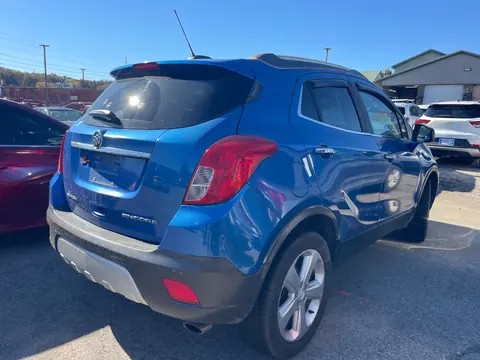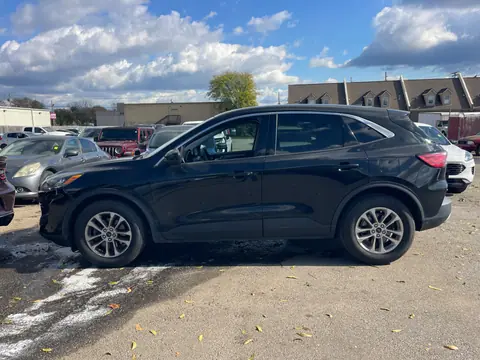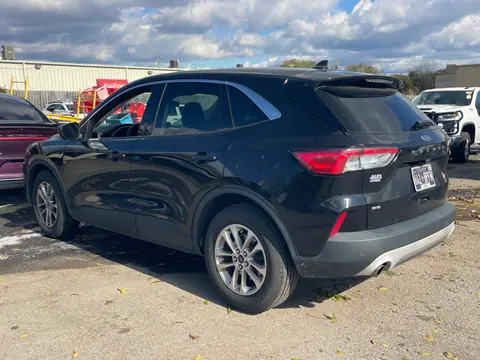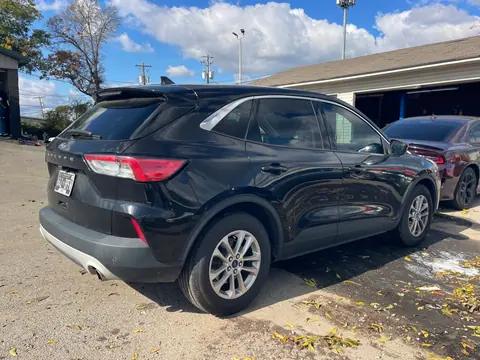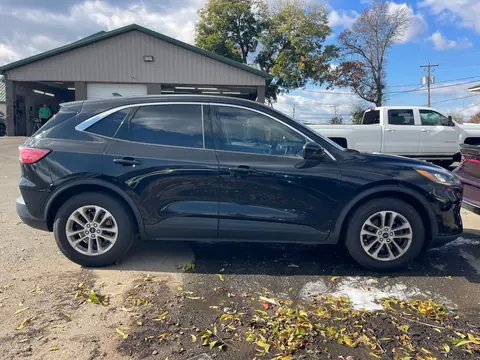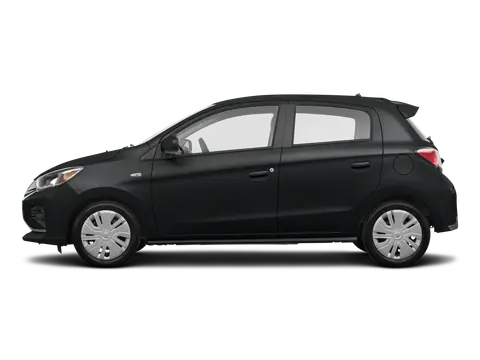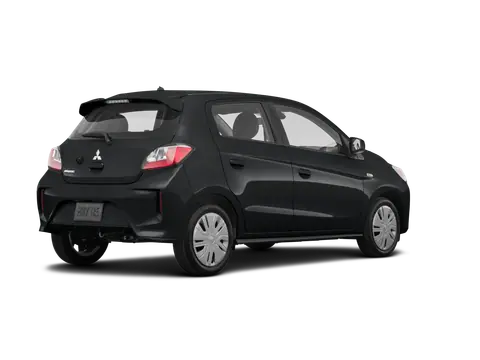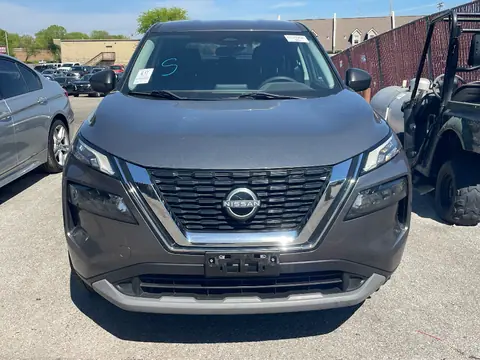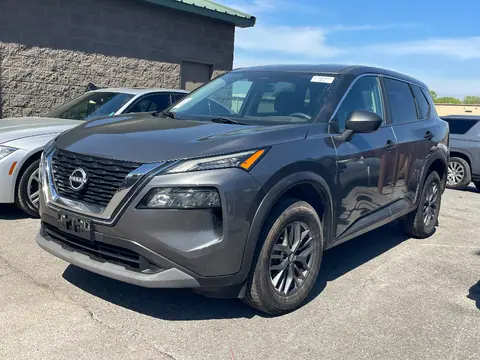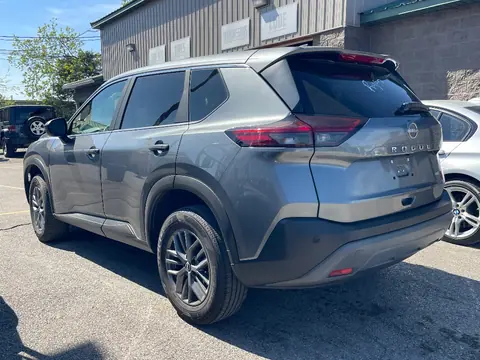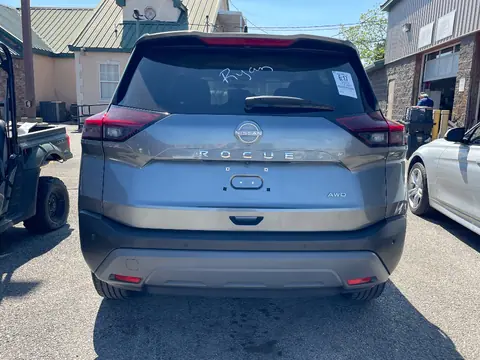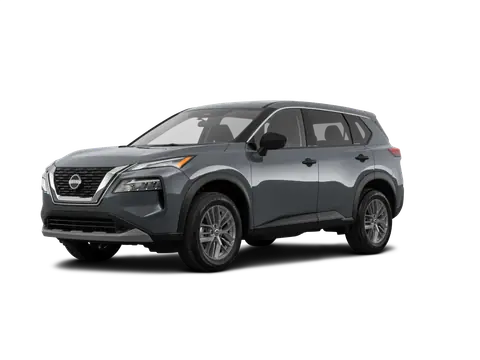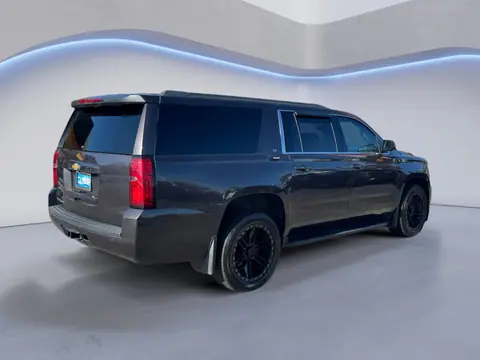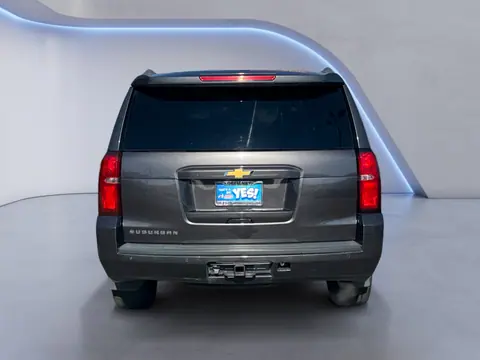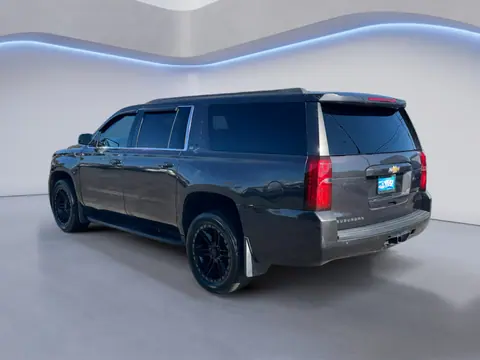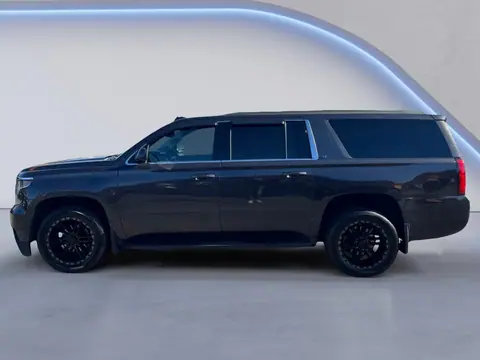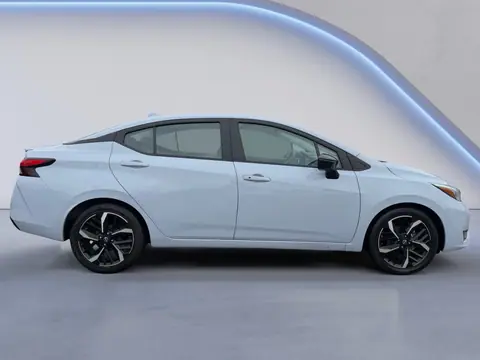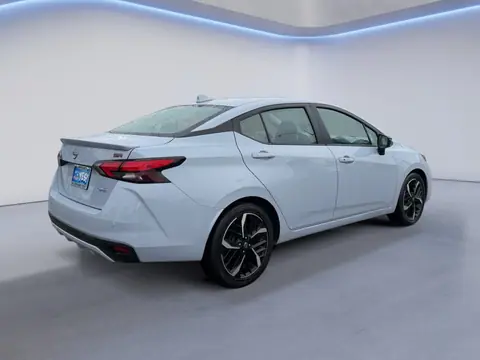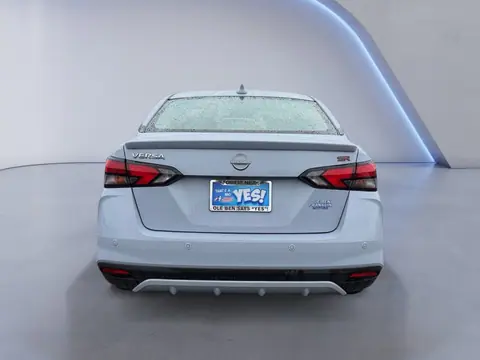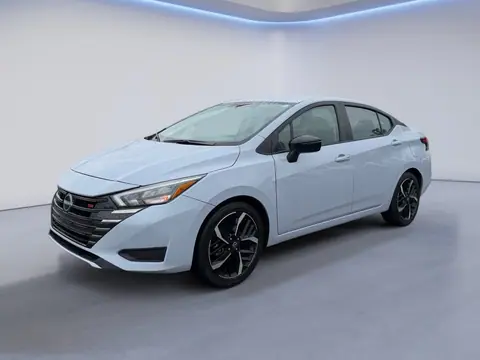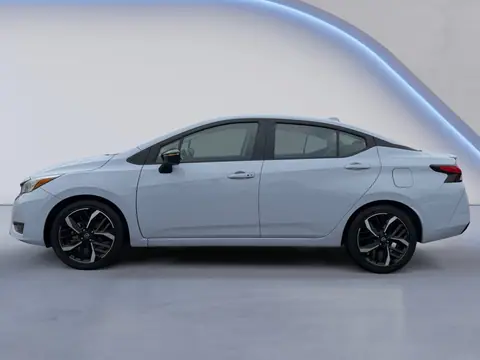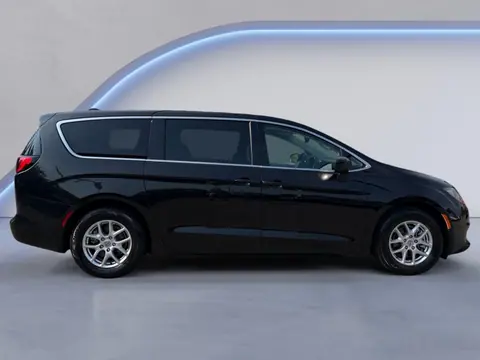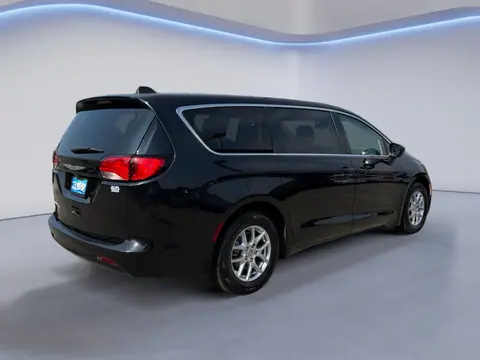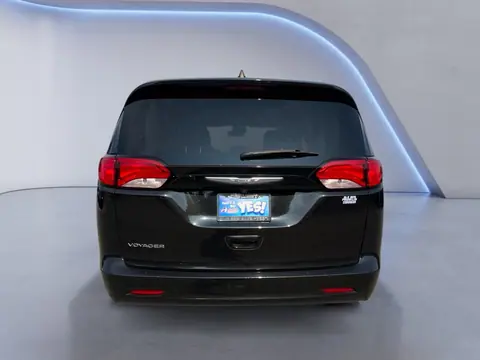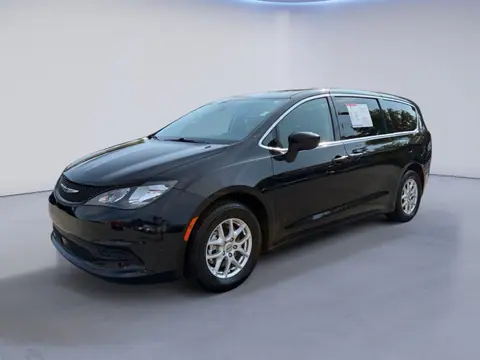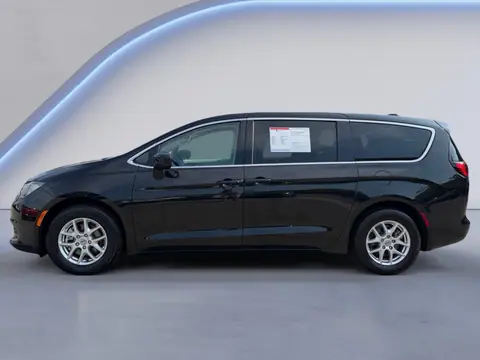
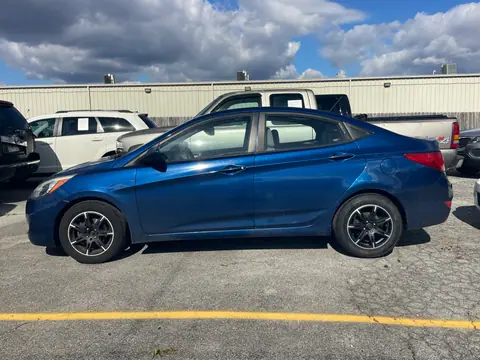
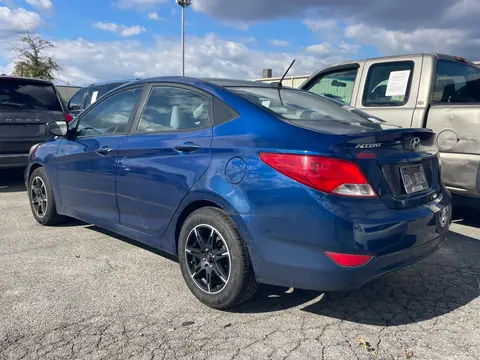
SE · 172,670 miles
$4,690
Vehicle price
$3,995
Doc Fee
+$695
Total price
$4,690
Franklin Fortified
Clean history
We and our advertising partners use cookies and similar technologies to run this site, measure how it is used, and show you relevant ads on other sites. Some state laws call that "targeted advertising", "sale" or "sharing" of personal information. You can opt out at any time with the "Your Privacy Choices" link at the bottom of every page. Learn more in our Privacy Policy.
Financing arranged across every credit situation — bad credit, no credit, repossession, bankruptcy. See what you qualify for with a soft credit check that leaves your score alone.
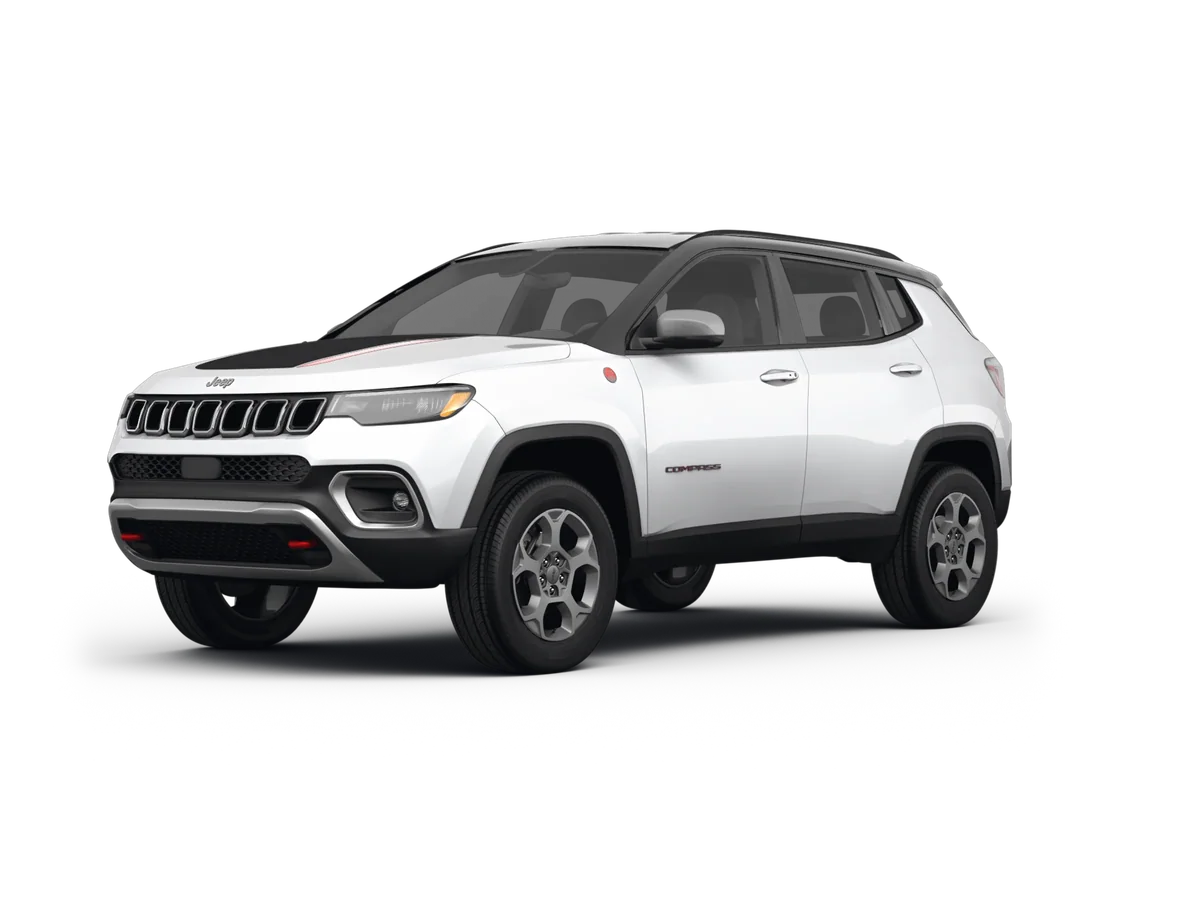
A cheap car is only cheap if you can finance it and it does not break. We arrange both: lending across every credit situation — including credit that has been through a repossession or a bankruptcy — and a car that has already cleared a 92-point standard in our own shop before it was listed, so the reconditioning is inside the payment instead of a bill three months later.
A low price is only a low price if someone will write the loan. Pre-qualification here is a soft credit check — it does not affect your score, and it tells you the payment before you pick the car.
Late payments, collections, a thin file — the banks and credit unions we work with price for it rather than stopping at it, and a conventional approval is the one that reports your on-time payments to the bureaus.
How bad-credit approval works hereNeither one ends the conversation. What matters is what has happened since, and there is a programme built for exactly this rather than a polite decline.
See the credit amnesty programmeWhen no outside lender will write the loan, we can finance it ourselves. It is deliberately the last option offered, not the first, because a bank loan is cheaper for you and builds more credit.
What in-house financing involvesA first car with no file behind it is a different problem from a damaged file, and it is usually an easier one. Co-signers, proof of income and a first-time programme all apply.
Buying your first carA lower sticker price gets financed into the payment. Repairs don't — tires, brakes and engine work come out of pocket, all at once, on a day the car picks for you.
$3,291
A cheap car
+ $165/mo
$1,325
From us
+ $268/mo
Saving $103 a month feels like winning — right up until the first repair bill. A cylinder head wipes out 46 months of that saving instantly, and it comes out of your pocket just as fast.
One payment
$268/mo
On $15,000 with $2,000 down, 72 months at 14.03% APR.
The cheap car is $165/mo — and $3,291 out of pocket in the first year, against $1,325 here.That $1,966 gap is repairs, and none of it builds anything.
Engine work is what ends these cars — a head gasket runs $2,538 to $3,337 fitted, a cylinder head $4,309 to $5,176, more by then than the car is worth. We do not sell you cover against that; we do the work before the car is listed, in our own shop, and that is the difference you are paying for. AAA prices the same risk into its running-cost figures, because it is not optional either way.
See what we have reconditionedAt Ole Ben Franklin Motors
A cheap car with no warranty
A comprehensive extended warranty
One set of replacement tires
Manufacturer-specified servicing
Wear-and-tear repairs
Four things happen to a vehicle between the day we buy it and the day you see it. The first one is the one that matters most, and it is the one you never get to watch.
Our own technicians go through every vehicle we are considering against a 92-point standard. Cars that need more work than they are worth do not make it to the lot — we send those to auction instead. That decision happens before a buyer ever sees the car, and it is the one that matters most.
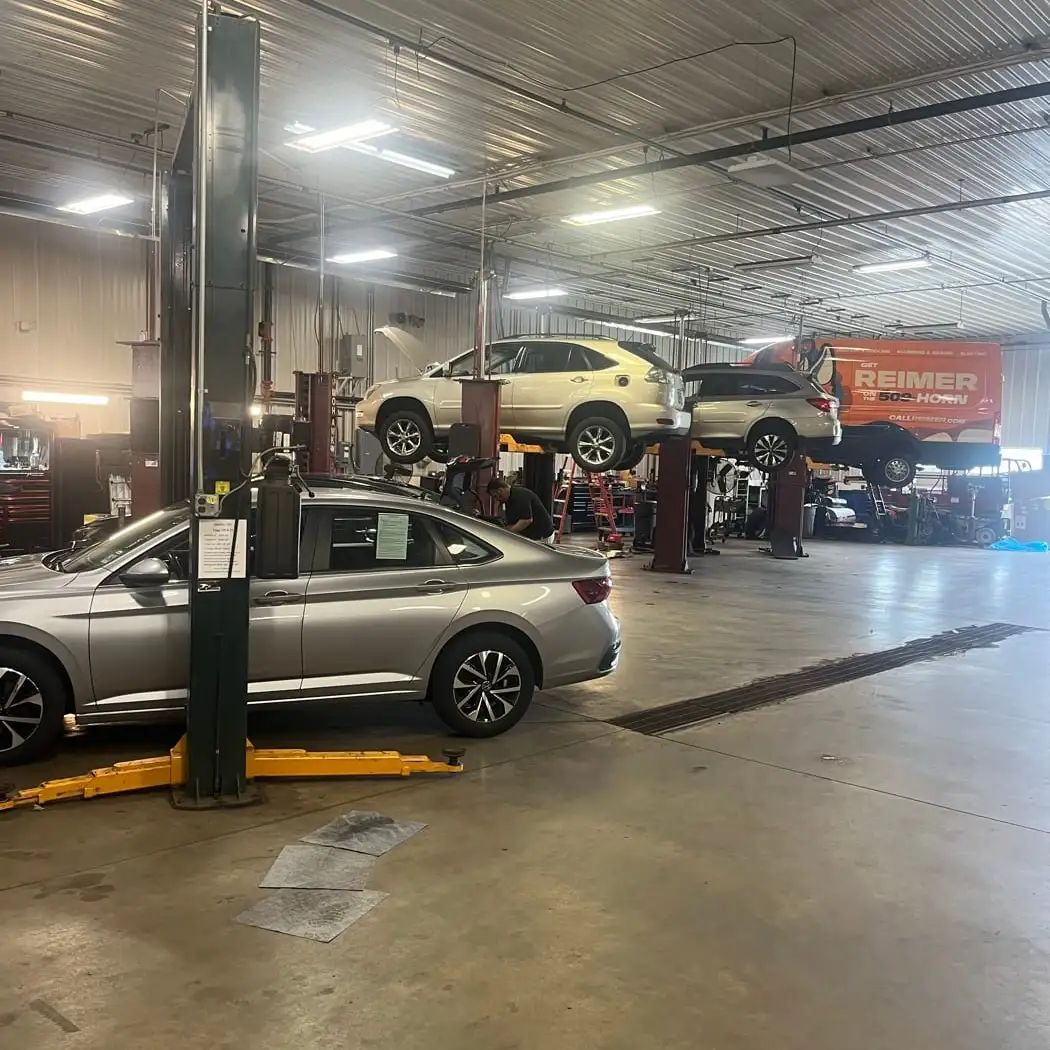
Tires, brakes, fluids, belts, filters and any scheduled service that is due. We replace any tire at or below 5/32 of an inch — Tennessee only requires 2/32 — and the tires we fit start at 10/32. The work is done in our own shop before the car is photographed and listed.
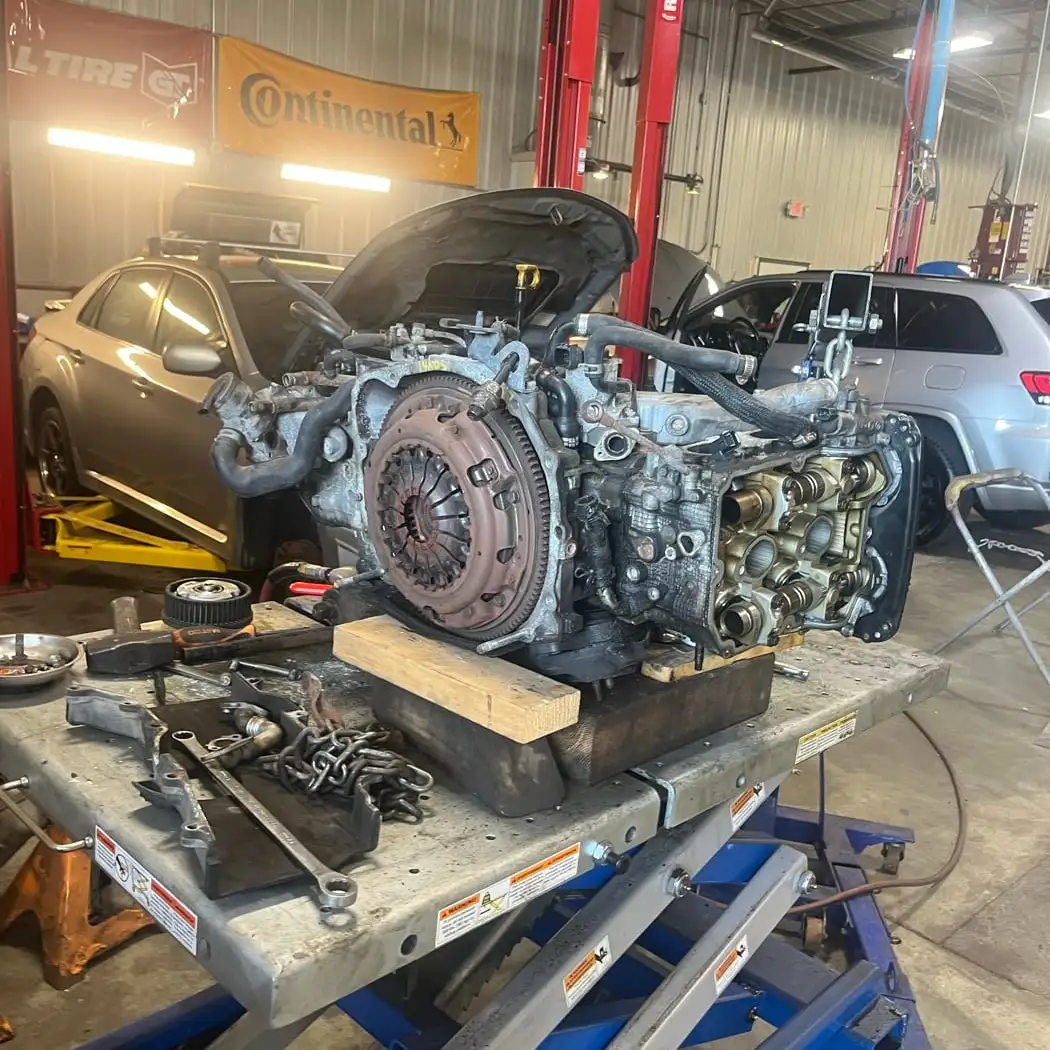
Brakes, tires, battery and suspension. In this climate those are safety items for most of the year. A worn brake line found in our service bay is a repair. The same one found on Kingston Pike in January is an accident.
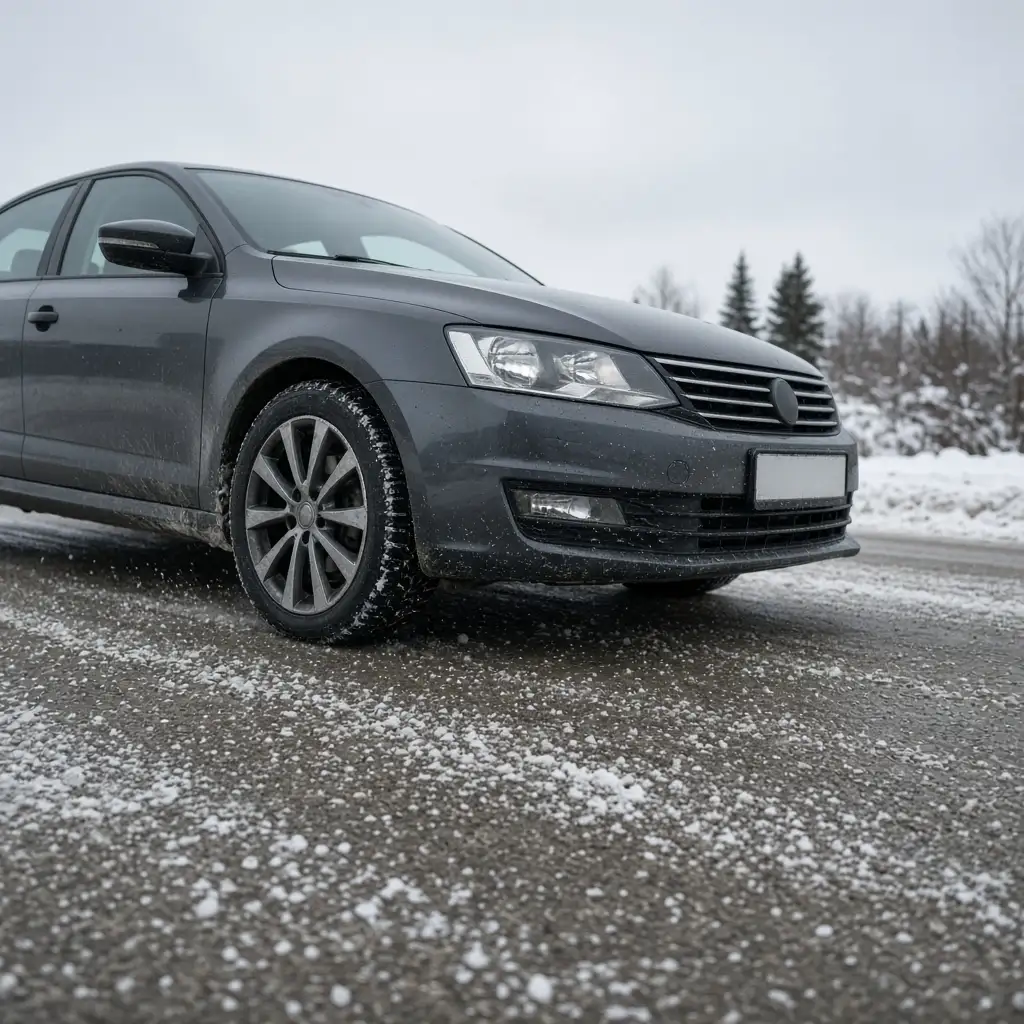
The cost of that reconditioning is included in the price of the car. It is why our cars cost more than an unreconditioned car at another lot, and why you are not buying tires and brakes a month after you drive it home.

Good cheap cars do exist — we buy them ourselves when we find them. If you think you have found one on another lot, bring it in before you sign anything. We will put it on a lift, our own technicians will go through it, and we will tell you exactly what we see. Free, no obligation, and no expectation that you buy from us. We would rather you knew whether it was the deal it looks like.
Undercarriage, suspension, exhaust, brake lines and frame. Most of what actually matters on a used car is not visible from a test drive or a walk-around.
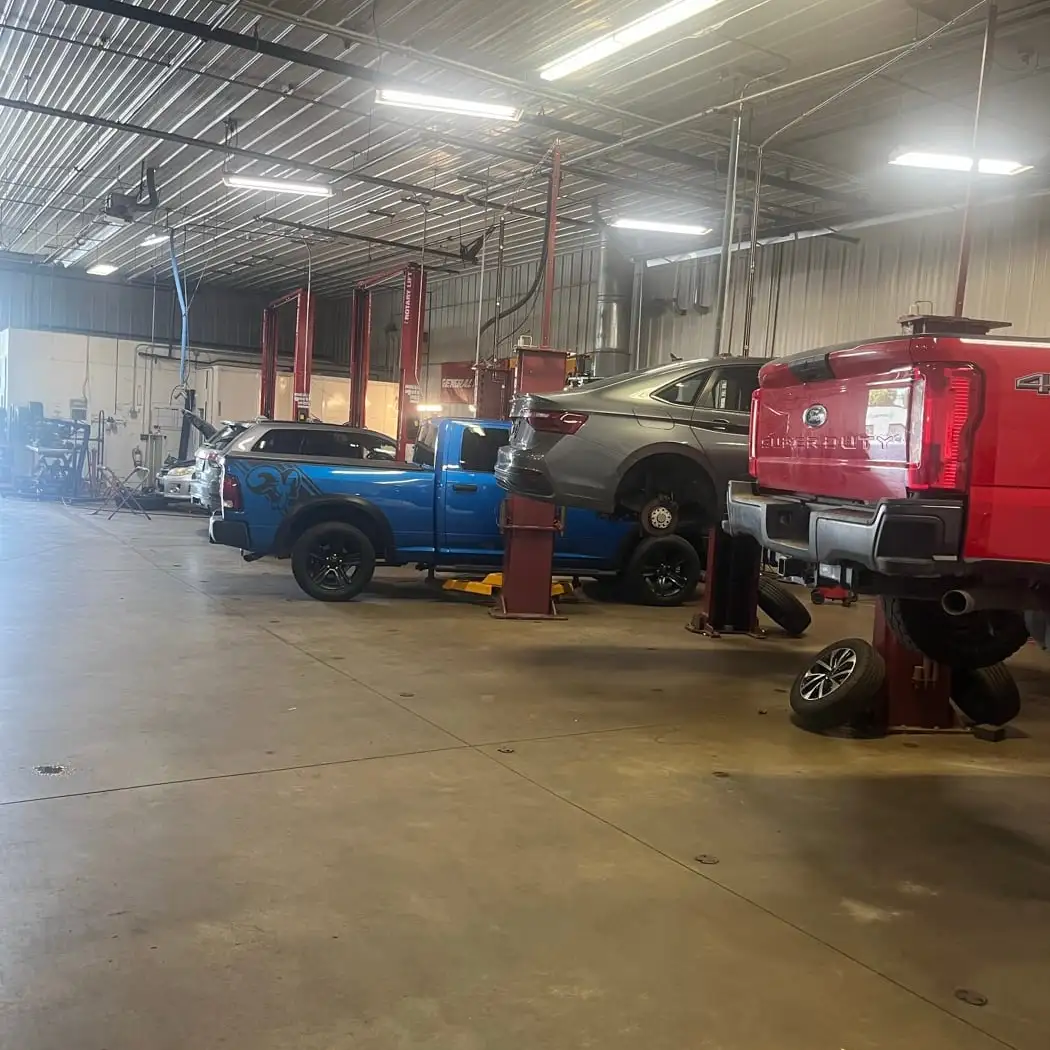
Tread depth in 32nds, brake material, fluid condition. Numbers, written down — the kind you can take back to the seller and negotiate with.
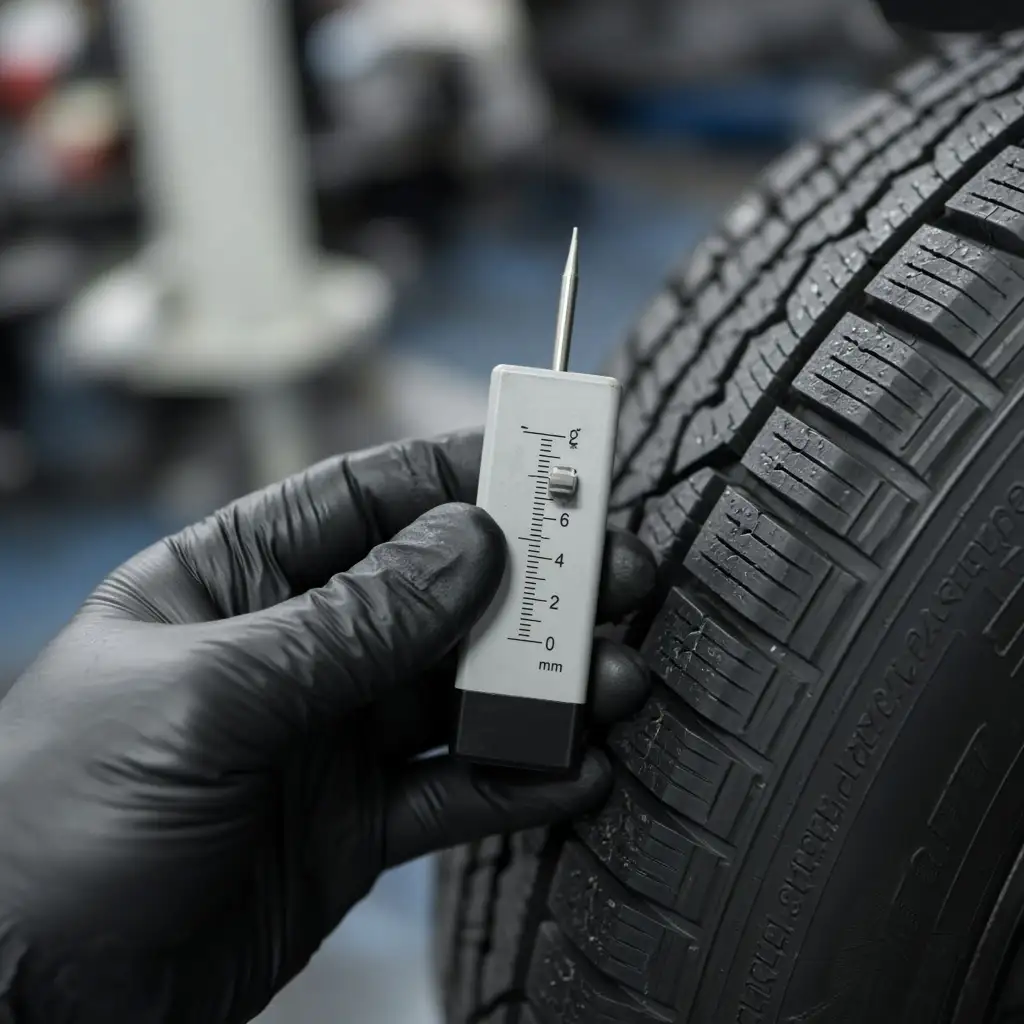
The same people who decide whether a car is good enough to go on our lot are the ones looking at the car you found on somebody else's.
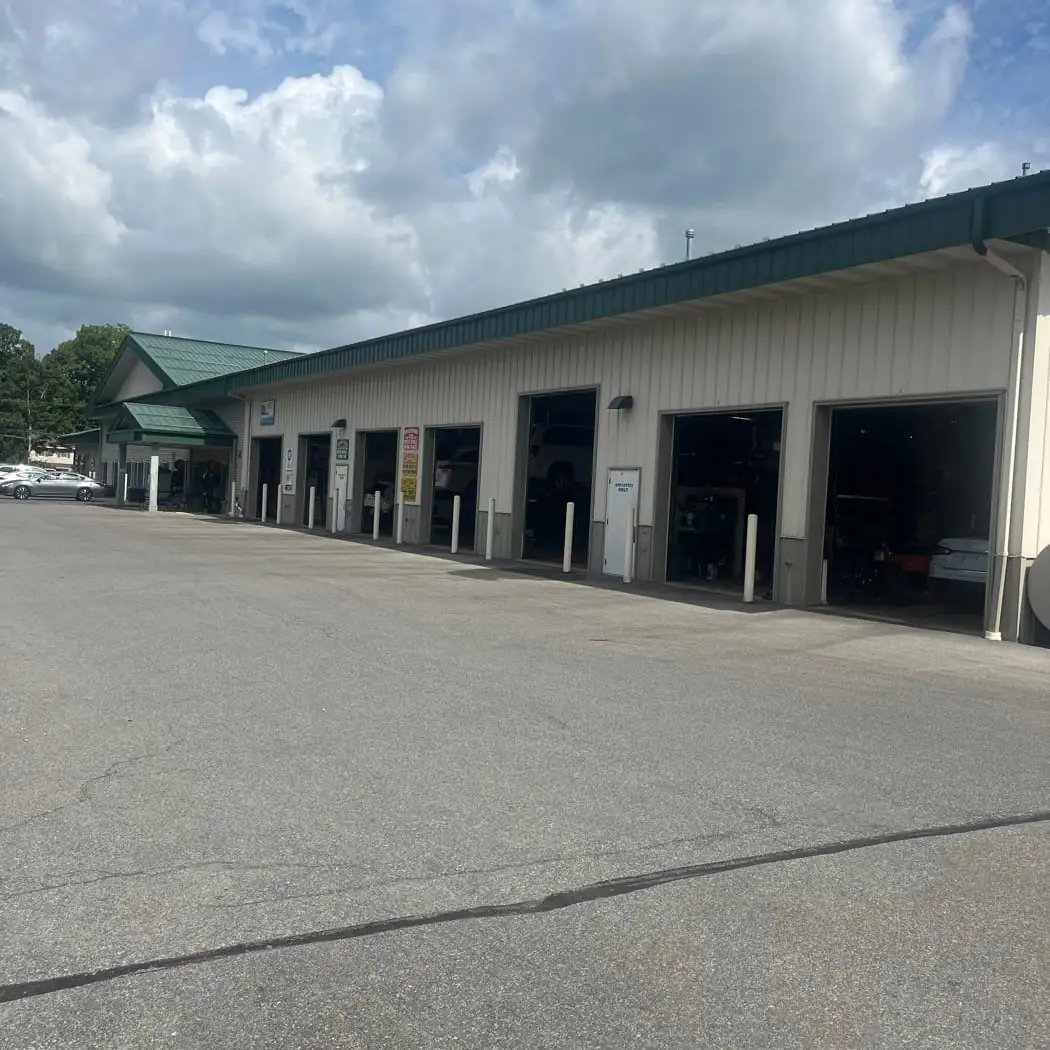
Not just what is broken today. What we would have put right before we would have been willing to put our own name on the car.
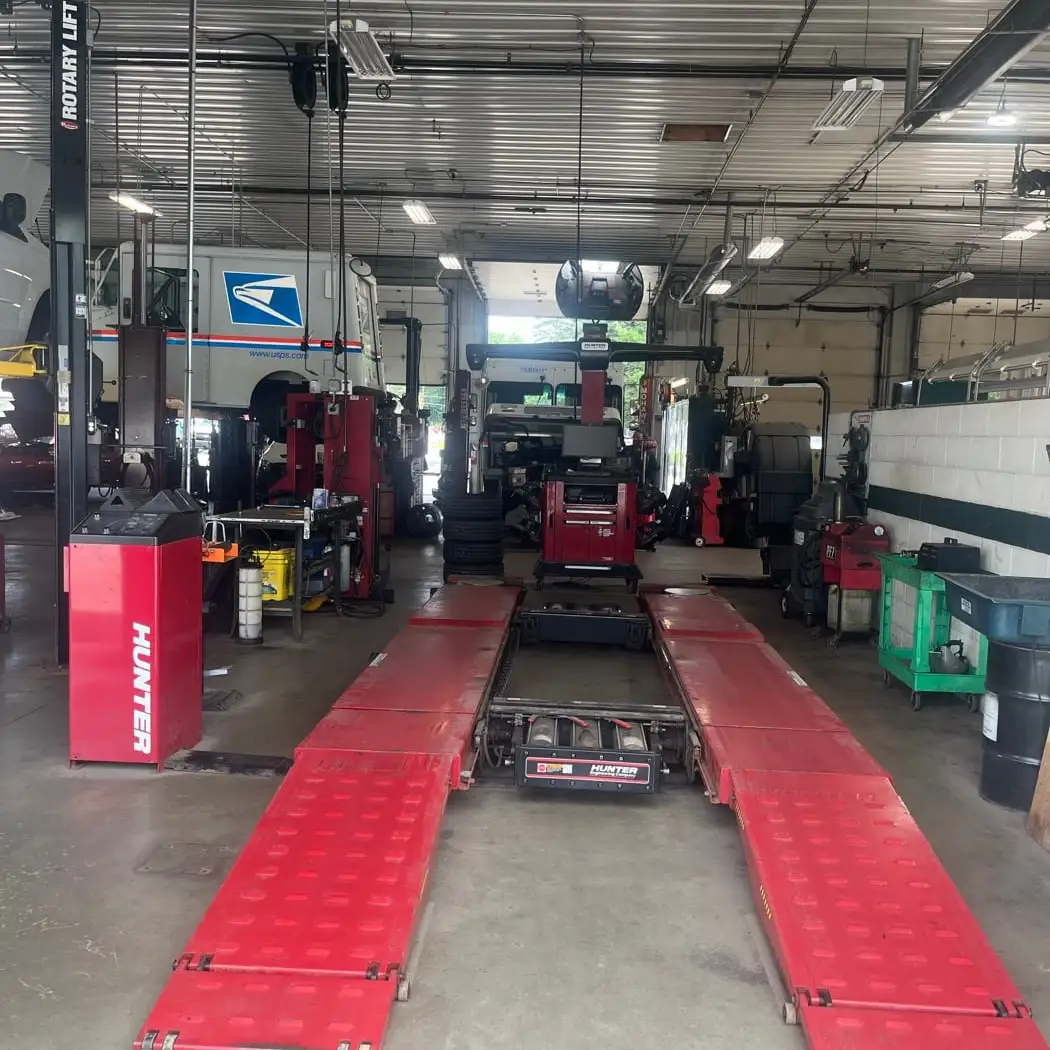
You are probably going to look at cars somewhere other than here, and you should. Take these with you. The answers tell you more about a dealership than the car does.
Any dealer that inspected the car produced one — usually a multi-point inspection, or MPI. The sheet is not the point. The point is whether the items on it were fixed or just written down.
A good answer. They hand it over, along with the repair orders showing what was actually done.
Most used inventory comes through a wholesale auction, where every car is graded 1.0 to 5.0 and the inspector announces structural damage, prior paint, mileage discrepancies and title problems. If they bought it that way, they have seen the report.
A good answer. They tell you the grade and read you the announcements. "We did not buy it at auction" is a fine answer too — then ask where it did come from.
Tennessee passes a car at 2/32 of an inch. A new tire is 10 to 12/32, so a car can legally pass inspection with about 80% of its tread gone — and it becomes your problem in the first wet month. For reference: we replace any tire at or below 5/32, and the tires we fit start at 10/32.
A good answer. A number for each tire. Not "the tires are good."
A fresh inspection done in the selling dealer's own shop the week before it was listed tells you something different from a sticker with ten months left from a shop two counties away.
A good answer. A date, and a straight answer about who performed it.
Every dealer says "fully serviced." That is a phrase, not a claim. Repair orders are the claim.
A good answer. They show you the work orders. Vague answers here usually mean the number is small.
This one is a test with a single correct response. A dealer confident in the car has no reason to say no to an independent pre-purchase inspection.
A good answer. Yes — and they help you arrange it.
Cheapest first, and the reconditioning is already in the price. This is what the argument above looks like on the lot.
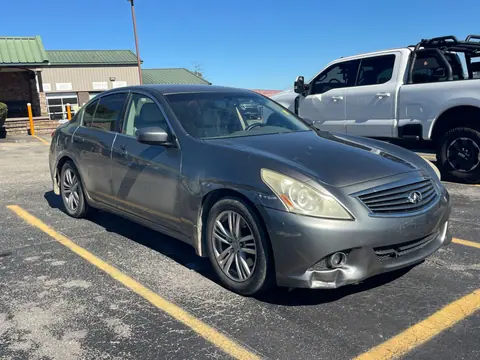
SE · 172,670 miles
$4,690
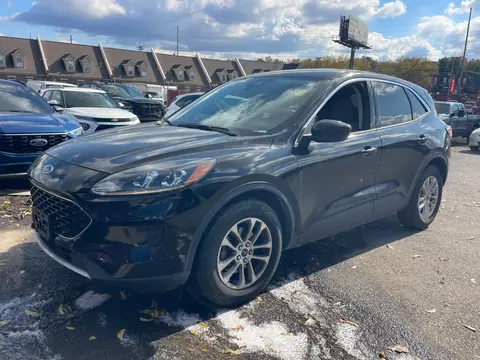
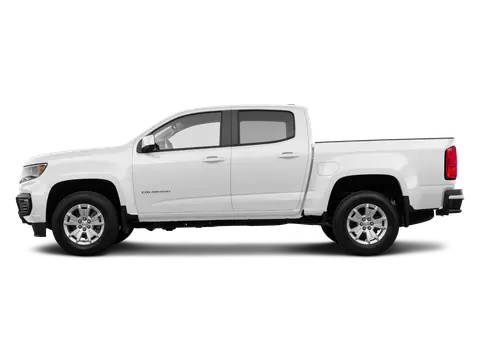
Journey · 254,219 miles
$5,190
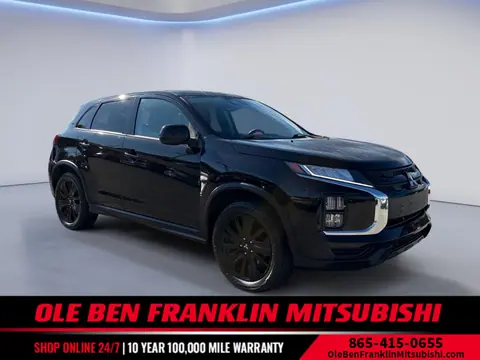
2021 Mitsubishi Outlander Sport
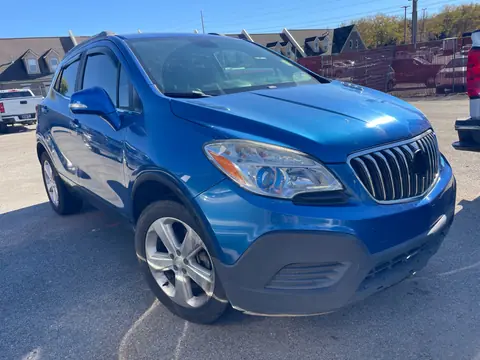
ES · 422,186 miles
$6,639
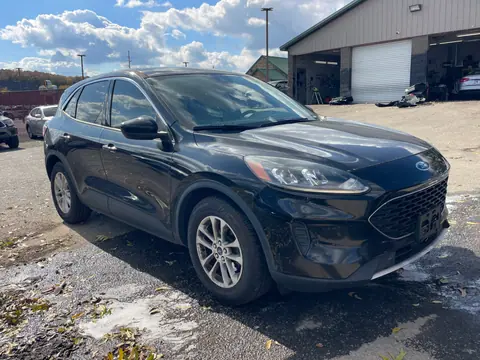
Convenience · 95,467 miles
$10,690
SE · 80,419 miles
$13,690

ES · 44,786 miles
$14,069
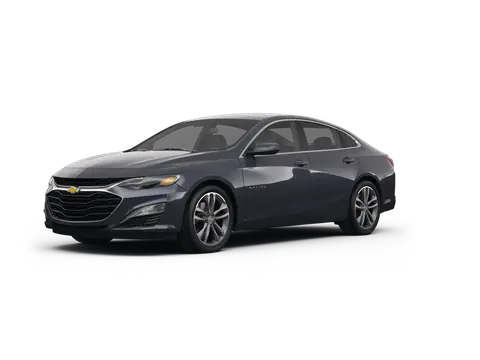
LT · 53,152 miles
was $16,901−$262
Price drop. $16,639
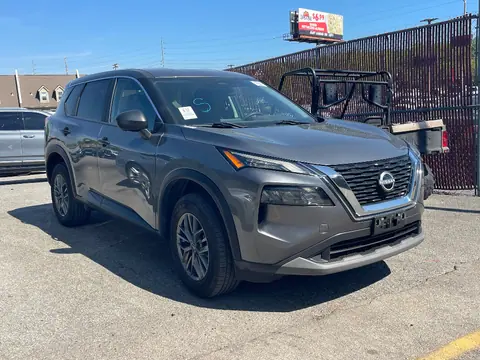
S · 112,895 miles
$16,683
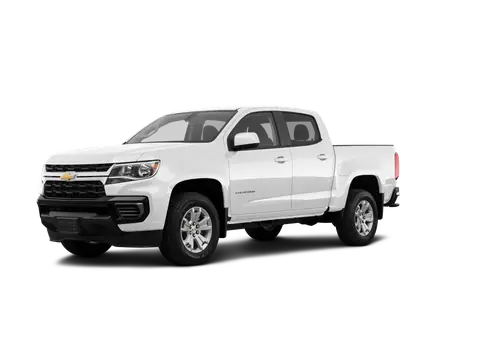
2WD LT · 90,774 miles
$16,690
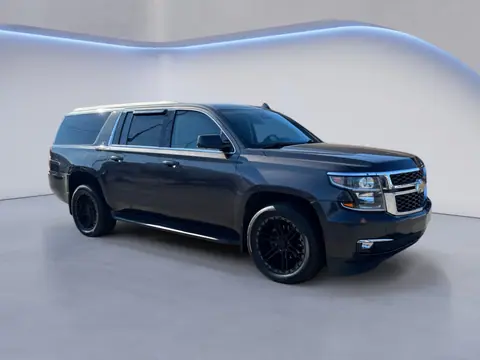
LT · 142,743 miles
$17,005
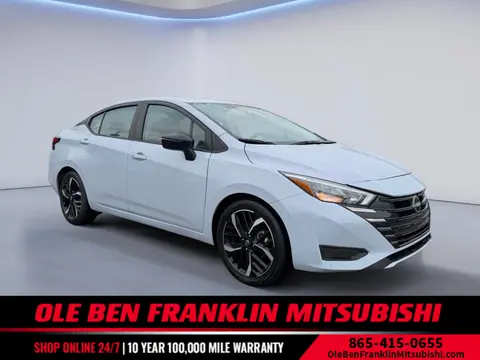
SR · 44,191 miles
was $18,095−$484
Price drop. $17,611
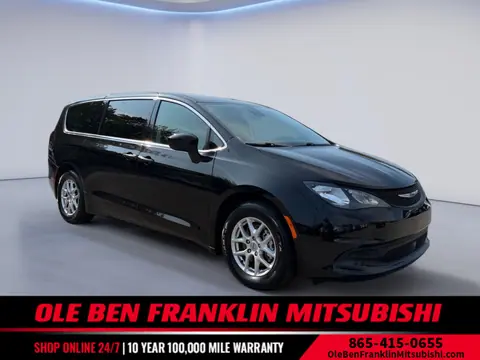
LX · 86,856 miles
was $20,476−$2,794
Price drop. $17,682
Because we would have to sell them the way they arrive. The cheapest end of this market needs more work than its price supports, so a dealer either does the work and loses money on it or skips it and hands you the bill. We chose not to be in that business. Our least expensive car today is $3,995, and its reconditioning is already done.
On the monthly payment, yes, and the calculator above says so plainly. The difference is what form the money takes. Financing $5,000 less is worth roughly a hundred dollars a month; a set of tires and a front brake job is about $1,966 that has to exist in cash, on a day you did not pick. The monthly saving takes over a year to cover that one bill — and if the engine goes, longer than the loan.
Because one of them builds something and the other does not. A conventional loan through one of the banks or credit unions we work with reports every on-time payment to the credit bureaus, and payment history is roughly 35% of a FICO score — the largest single factor. That is the route worth applying for first; our own financing sits behind it for anyone those lenders decline. Reconditioning that sits inside that payment is doing double duty. A repair bill reports to nobody, and put on a credit card it raises the utilisation that makes up about another 30% of the score.
Not a dealership one — we do not sell a used-car warranty, and anyone promising lifetime engine cover on an inexpensive car is selling you something. What a cheap car gets here is the same reconditioning as everything else: the engine work in the table below is done before the car is listed, in our own shop, which is why these cars cost more than the equivalent on a cheap lot. Any balance of the manufacturer's original warranty still runs, and the vehicle's page says so where we can verify it.
No. Bring us a car you are considering from any other seller and we will put it on a lift and go through it at no charge, with no obligation. We would rather you bought a good car somewhere else than a bad one anywhere.
Third parties, not us. Tire pricing is the Consumer Reports member survey updated October 2025. Brake, timing belt, timing chain, head gasket, cylinder head and transmission figures are RepairPal's national estimator ranges. The upkeep benchmark is AAA's Your Driving Costs 2025. Every figure is parts and labour installed, we use the midpoint of each published range rather than the top, and all of it is listed with links at the bottom of this page.
Sources
Every repair figure on this page is parts and labour, installed — never a parts price with the fitting left off — and we use the midpoint of each published range rather than the top.
Repair figures are national estimator ranges and vary by vehicle, location and shop. Advertised prices exclude tax, title, registration and a $695.00 documentary fee.